What Can Children Teach Us About the Origins of Human Reasoning?
In this episode of Stories of Impact podcast, Dr. Bahar Köymen, a developmental psychologist at the University of Manchester, discusses her studies on how collective reasoning takes shape in early childhood.
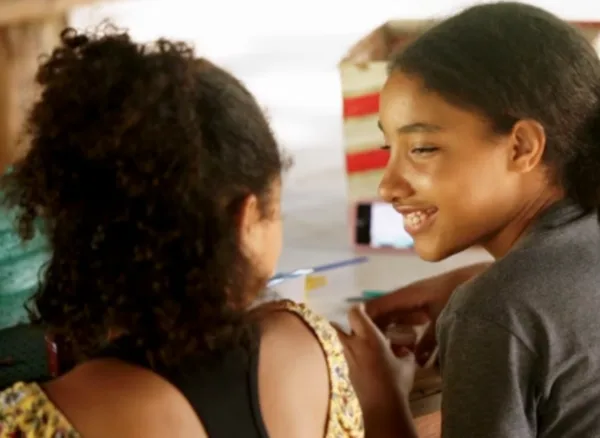
Her work shows that even very young children begin to recognize different perspectives, weigh evidence, and practice moral reasoning when they engage in dialogue and joint decision-making.
Listen with the below player
Dr. Köymen’s research suggests that understanding how children reason together can guide adults toward better collaboration, conflict resolution, and civic reasoning — and offer a glimpse into the foundations of human intelligence.
In this episode, Dr. Köymen shares findings from her team's studies with children aged three to seven that shed light on trust, disagreement, and the social roots of intelligence, and what adults can learn from kids about fairness and forgiveness. Her work also shows that children tend to benefit more from reasoning with a peer than with a parent. When reasoning with adults, children often defer to authority; but with peers, they see themselves as equals, engage more deeply, and test ideas more freely.
She describes some of the studies:
In one classic “toy hidden in two boxes” experiment, one child knows the toy has been moved while the other holds a false belief. The challenge is to see whether the informed child intervenes to guide their partner. With older children, compares direct observation (“I saw it”) with hearsay (“I heard it”) to explore how peers judge the reliability of evidence.
Dr. Köymen also examines how children respond to misleading choices — the decoy effect — and finds that reasoning with peers sparks more thoughtful dialogue than reasoning with adults, since equality reduces deference and invites genuine exchange. As she explains, “When we hunt together, I might say we should go left and you say we should go right — but we have to stick together. Those who learned to make collective decisions were the ones who survived.”
Built upon the award-winning video series of the same name, Templeton World Charity Foundation’s “Stories of Impact” podcast features stories of new scientific research on human flourishing that translate discoveries into practical tools. Bringing a mix of curiosity, compassion, and creativity, journalist Richard Sergay and producer Tavia Gilbert shine a spotlight on the human impact at the heart of cutting-edge social and scientific research projects supported by TWCF.