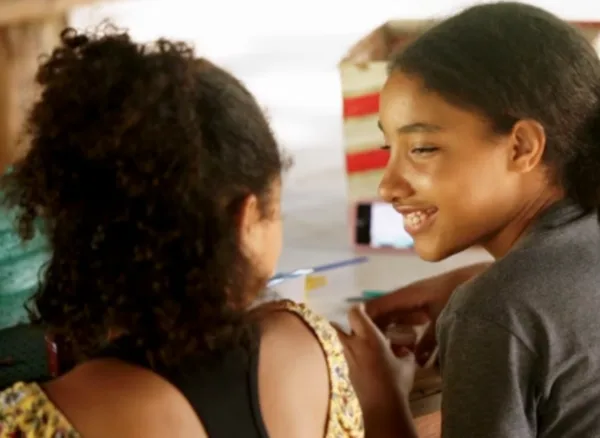
Multidisciplinary research is reframing care for academia and policy, informing fresh approaches to child and elder care.
Watch the video with the below player
Multidisciplinary research is reframing care for academia and policy, informing fresh approaches to child and elder care.
One in four Americans are now caregivers, a 50% increase since 2015. Nearly 30% care for both an adult with a medical condition and a child under 18.
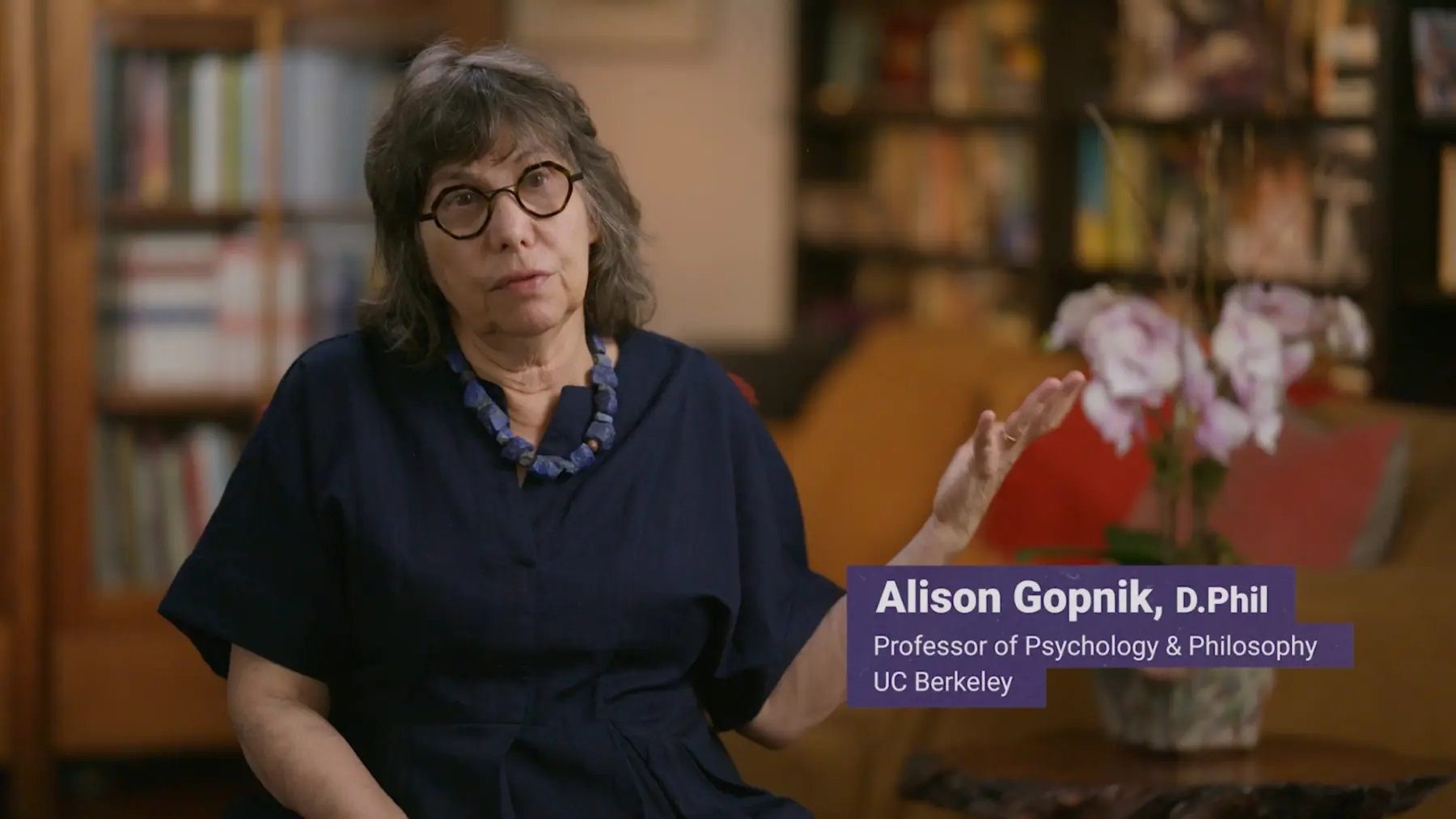
“If you ask most people what's the most morally profound, significant, meaningful thing in your life, they'll say something about the way that they have been taking care of children or parents or friends or spouses,” says Gopnik, a professor of psychology and philosophy at UC Berkeley, a world-renowned expert in child development. Yet, care has been “largely invisible” in moral philosophy, psychology, and policy. Gopnik says that’s because “the very nature of caregiving is that we care for people like infants or elders who are not going to be able to reciprocate. And that means that the whole structure of caregiving doesn't fit very well into the usual philosophical and political frameworks.”
With support from TWCF, Gopnik leads a multidisciplinary team of gerontologists, childhood researchers, political scientists, philosophers, and AI scholars to explore what care is, how it develops, and how societies might better support it.
🎥 Watch the video to learn about:
• Why caregiving does not fit a simple “you help me, I help you” model
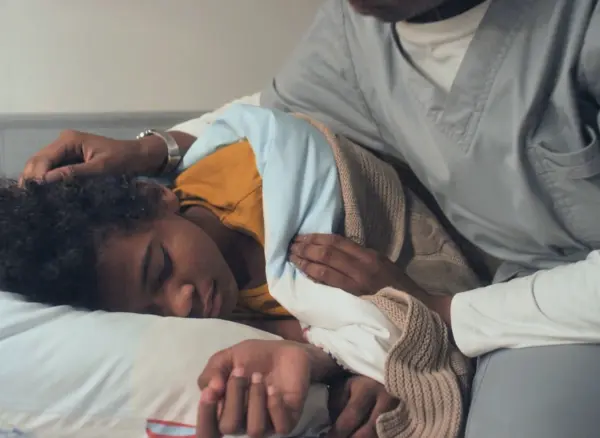
• How children start recognizing care early in life: “We have a few studies that suggest 4 and 5 year-olds, think that if you don't actually have tit-for-tat reciprocation, that's a signal that someone's caring for you...the fact that mom will put a blanket on you even if you don't put a blanket on mom is something that even little kids seem to understand and think about.”
• When helping can become a “power relationship,” and how to guard against it
• How norms around gender and culture shape who provides care
• Why the U.S. care system strains families at both ends, childcare and elder care
• Policy ideas worth debating, from caregiver allowances to intergenerational living.
Learn about Dr. Gopnik's related TWCF-supported projects here.
Listen to the related podcast: Why Care Is the Heart of Human Flourishing with Alison Gopnik (podcast)
Created by TWCF grantee, journalist, and senior media executive Richard Sergay and his team at Rebel Media, the award-winning “Stories of Impact” video series weaves together in-depth interviews, engaging narratives, and critical perspectives to explore scientific discoveries and fresh insights into life’s deepest questions. The videos illuminate the individual and societal impact of research at the intersection of science and spirituality, and serve as a basis for the podcast of the same name. The video series has received multiple honors, including Webby and Gold Telly Awards.