One word, many practices. Episode 2 travels across traditions to explore the remarkable variety of meditation.
The series draws on the history, philosophy, and science of meditation to show that the practice is far more varied than its popular image suggests. Episode 1 asked what meditation is. Episode 2 explores different varieties of meditation.
Listen with the below player
Farias examines a straightforward question: are the world's many meditation practices essentially the same, or do they differ in important ways — in how they work, and in what they are for? The episode builds toward an answer: meditation is less a single technique than a vast field of them.
The episode features contributions from:
There is no single goal or method, Frazier says — the range of meditation practices is “like a fabulous library” where “you can pick different books off the shelf.”
Sedlmeier, who spent twelve years reviewing the research, puts a number on that diversity. Surveying experienced meditators and teachers, he and his colleagues “came out with 360 different techniques,” and he suspects many more have never been named.
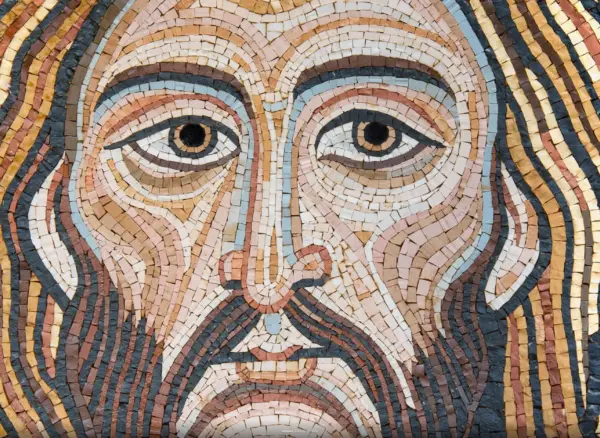
Ferguson and Case discuss the Christian Jesus Prayer — the focus of their TWCF-supported study of hesychastic prayer. Ferguson describes it as a contemplative practice centered on the repetition of the prayer, “Lord Jesus Christ, only Son of God, have mercy on me.”
Halkias describes Tibetan practices ranging from meditation on impermanence to dream yoga.
And Swami Ambikananda, whom listeners met in Episode 1, returns to reflect on where her own path began.
Together, these examples show how widely meditation practices can vary, not only in form, but in the kinds of change they seek to cultivate.
In the next episode, The Buddha Pill explores how meditation traditions and contemporary science understand altered states of consciousness.