In an age of technology-driven isolation and increasing polarization is it possible that a religious ritual thousands of years old can build social connection?
The Measurable Benefits of Shabbat Dinner for Connection and Renewal
Watch the video with the below player
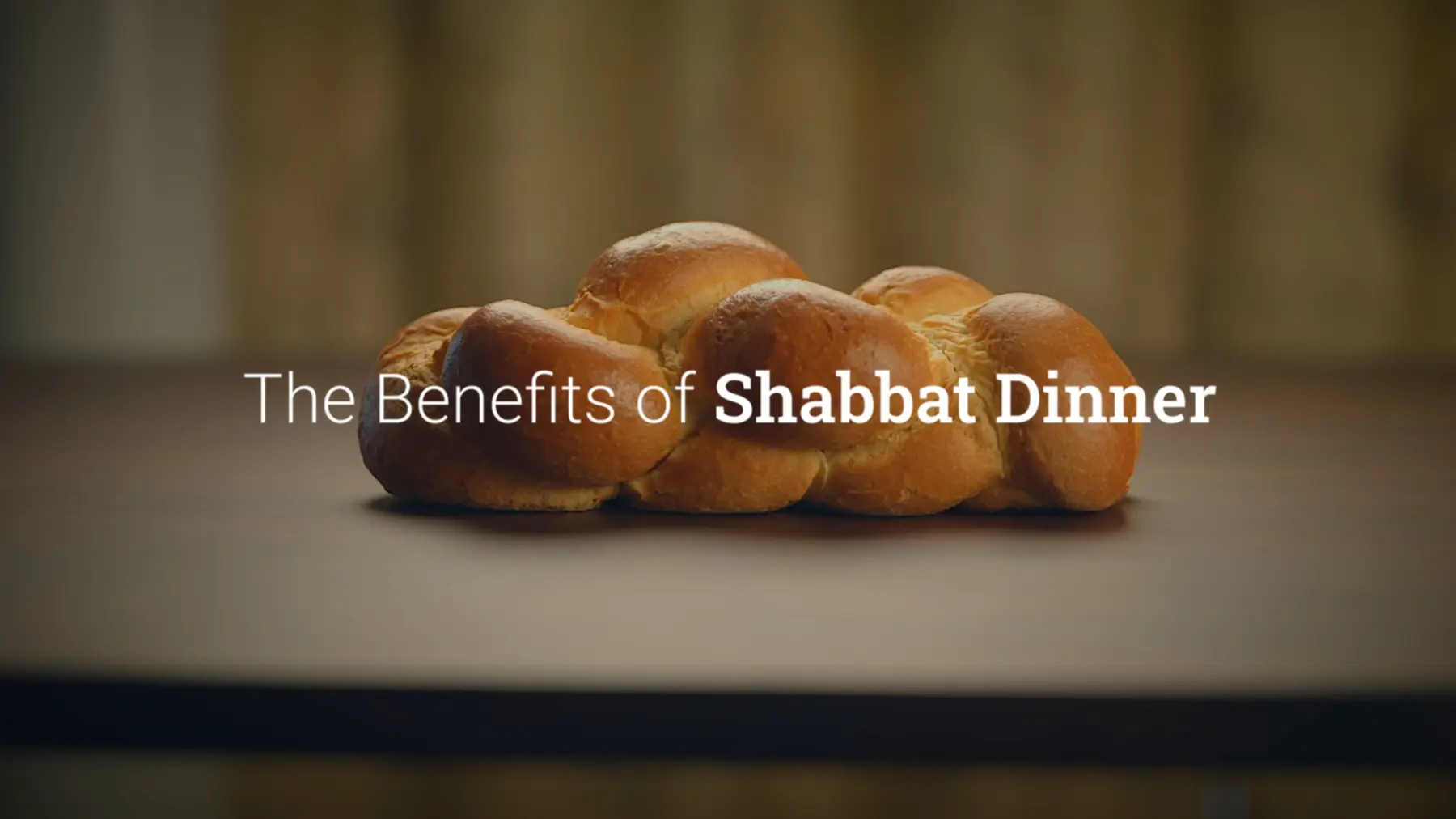
"We've found that any kind of gathering is beneficial for mitigating loneliness and building a sense of social warmth and social connectedness. But Shabbat dinner is actually something that yields more benefits than other kinds of social things that you can do," says Levites.
Shabbat is the Jewish day of rest, observed from Friday evening to Saturday evening. One of its most defining traditions is the Friday night meal — Shabbat dinner — when family and friends gather to light candles, bless bread and wine, and share a communal experience. “After an intensive work week, the ritual of Shabbat dinner creates an invitation for a pause to literally take a deep breath, to gather with people you love or are getting to love around the table, to slow down,” says Aliza Kline, founder and former CEO of OneTable. OneTable is a nonprofit that helps young adults find, share, and enjoy Shabbat dinners (think “Airbnb for Shabbat”).
The study, funded by Templeton World Charity Foundation, includes interviews, focus groups, and experiments with more than 1,000 participants.
Early insights indicate:
Watch this Stories of Impact video to hear more about the findings from the research team and stories from participants who have experienced the power of Shabbat dinners firsthand.
Listen to the related podcast: Gathering at the Table for Connection and Belonging with Dr. Adam Cohen, Aliza Kline and Dr. Arielle Levites (podcast)
Learn more about the TWCF-funded project: Extending the Table: Does Shabbat Dinner as a Spiritual Practice Increase Social Connectedness?
View TWCF's Science of Religious and Spiritual Exercises priority.
Templeton World Charity Foundation’s “Stories of Impact” videos by journalist and senior media executive Richard Sergay feature human stories and critical perspectives on breakthroughs about the universe’s big questions. The inspiring narratives and observations in these award-winning videos portray the individual and societal impacts of the projects that bring to life TWCF-supported research.